1930 LaSalle Series 340 Fleetlands
The Lasalle was the "companion" car to the Cadillac, launched in 1927 and remained in production until 1940.

Individual body styles at La Salle, the great stylistic adventure of General Motors, had their own in-house nomenclature in 1930. The overall LaSalle line was designated as the Series 340 that year, and the physically largest one was the seven-passenger touring car or the Fleetlands. Buyers had their choice of 13 Fisher or Fleetwood bodies for the 1930 La Salles, and with overall production of 14,986, they were atypical even when new.
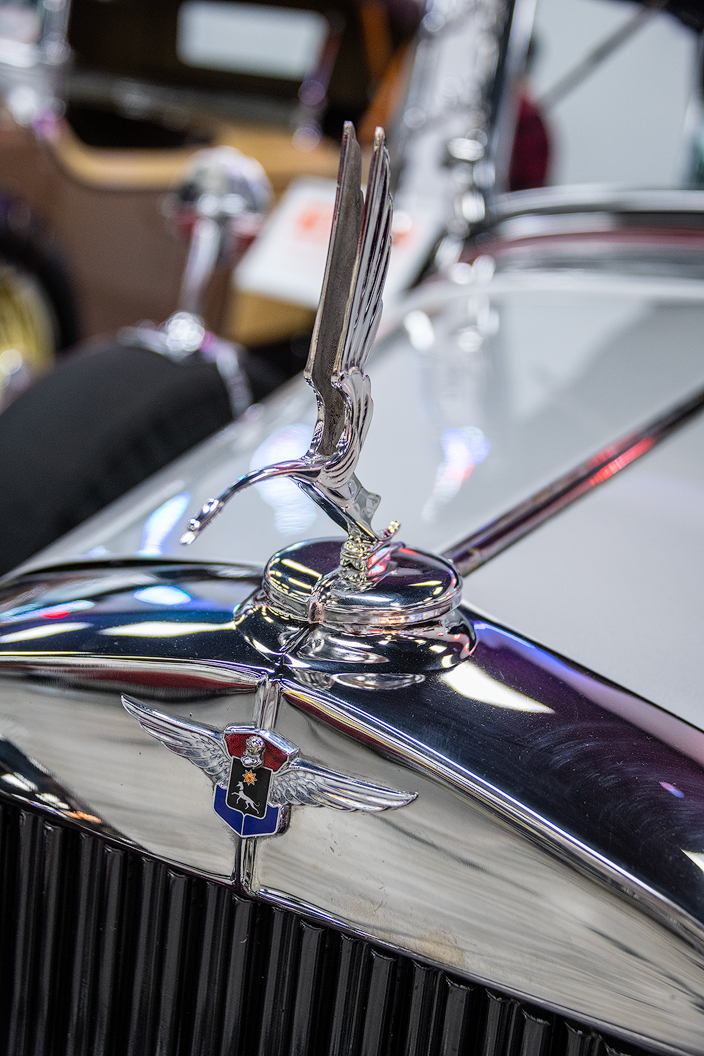
All of the models rode on 134-inch wheelbases, six inches less than their corresponding Cadillac brethren, with power from the 90-degree, 340 cubic inch L-head V-8 that had powered the 1928 and 1929 Cadillacs, rated at 90hp.
La Salle produced 239 1930 Fleetlands and the cost of a new one was $2,525.
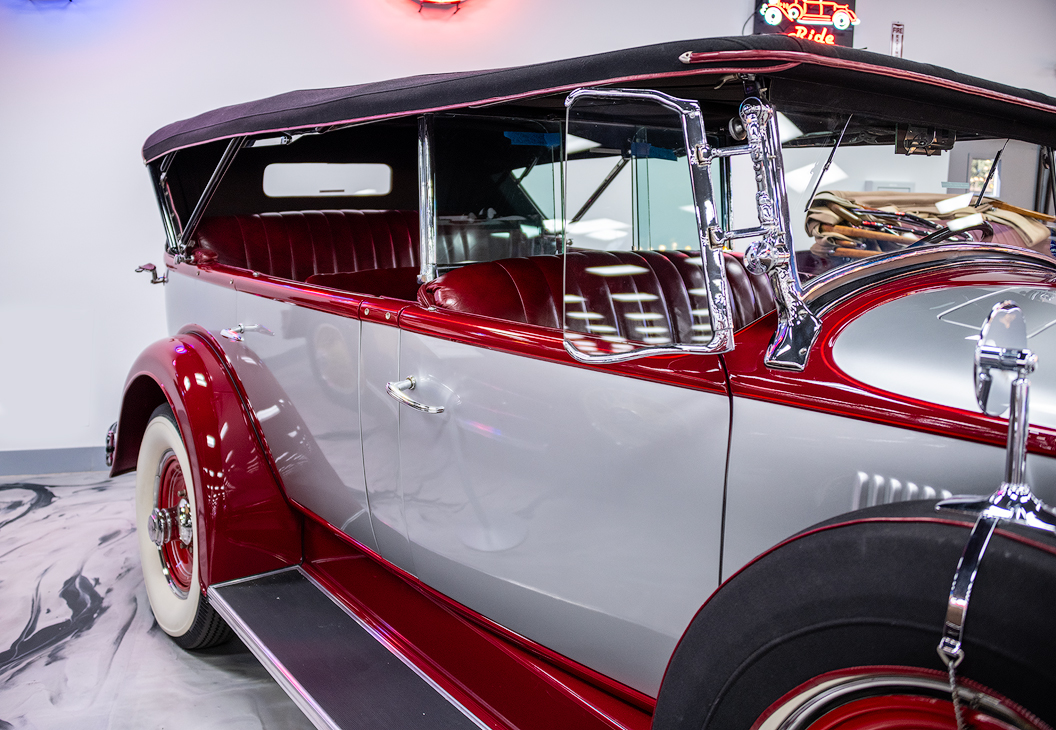
The Specs...
- Cadillac 90-degree V-8 engine
- 3-speed Syncro-Mesh transmission
- Build date was 5/1/1930
- Shipped to Glacier Park, Montana c/o Hall Cadillac, Denver
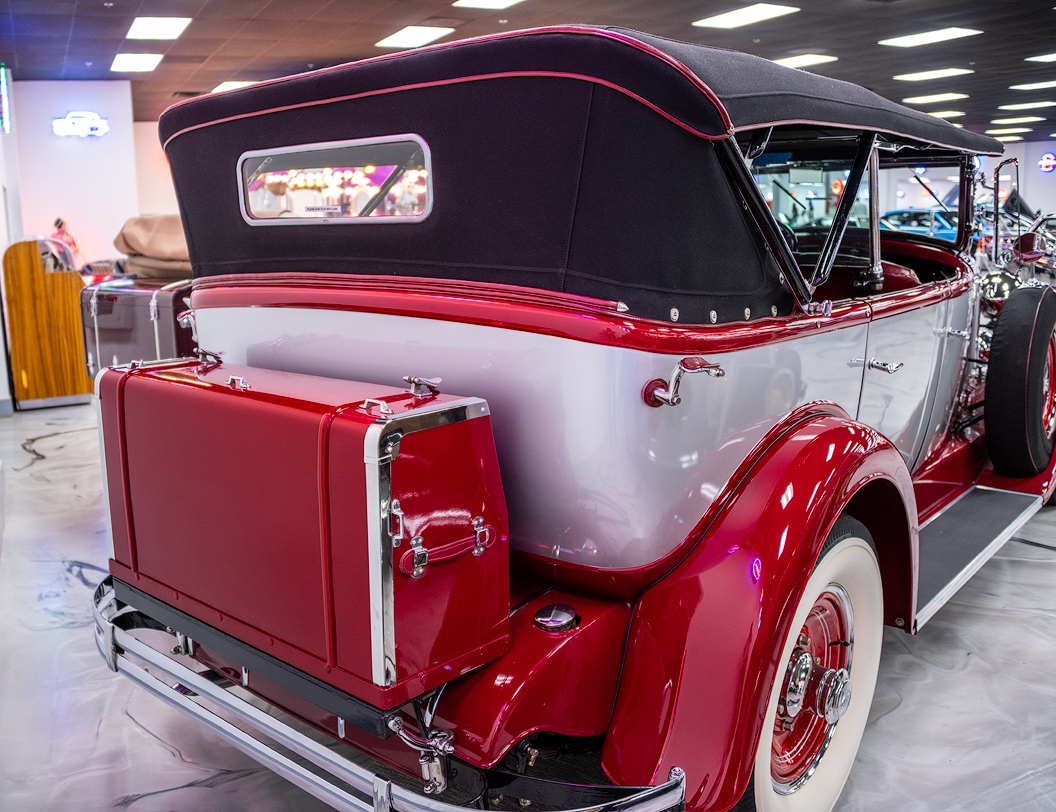
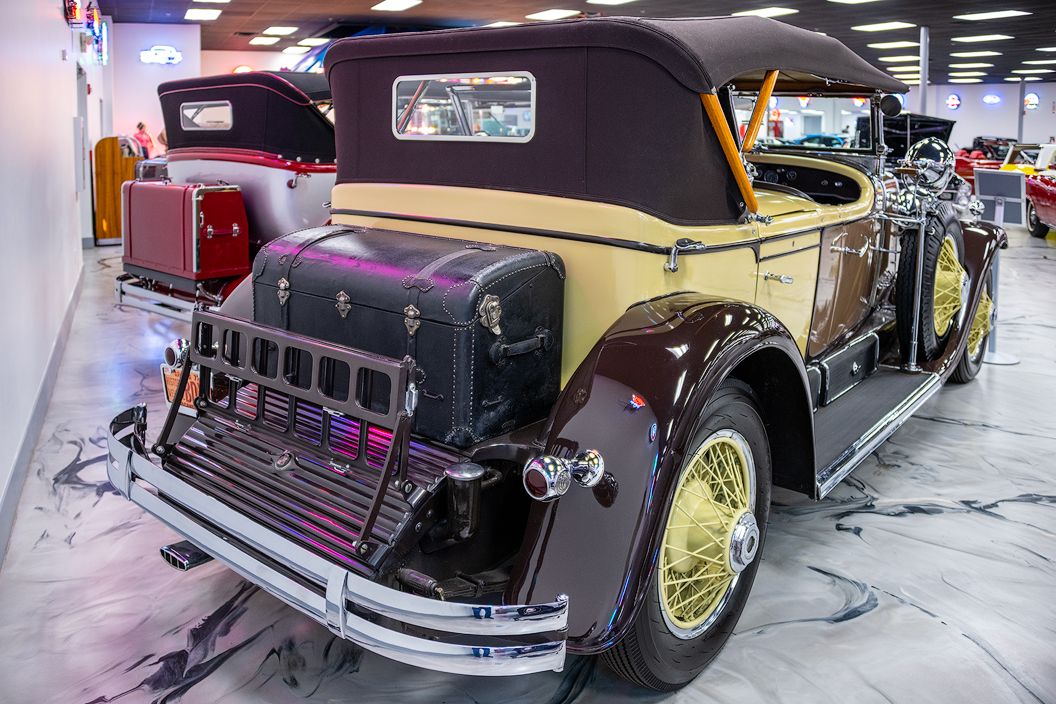
1929 Cadillac Dual-Cowl Phaeton
The 1929 Cadillac was among the first designs penned by the legendary Harley J. Earl. Compared to its predecessor, the exterior of the 1929 Cadillac was little changed. Parking lamps were moved from the cowl to the tops of the fenders — a subtle modification providing a bit sportier look.
Significant changes took place under the sheet metal. Most important was a new "clashless" Synchro-Mesh Silent-Shift transmission, negating the need for double-clutching while also enabling much smoother gear selection. New mechanical four-wheel brakes required considerably less pedal pressure than earlier models and shatterproof Security Plate glass became standard in all windows. The suspension system featured new double-acting Delco shock absorbers, and fully adjustable seats became standard.

Among the most elegant of the Cadillac's many available body styles was the Fisher Body-built dual-cowl phaeton that gave rear passengers their own cowl and windshield. Optional equipment includes six Buffalo wire wheels with Whitewall tires, including two side-mount spares, a stanchion-mounted spotlight, articulated headlights, and a travel trunk.
The Specs...
- 140" wheelbase
- 341 cubic-inch V-8
- 90 horsepower
- 3-speed manual transmission, overdrive added
- 4-wheel mechanical brakes
- Electric windshield wipers
- Total production of 36,598 cars, each sold at $5750
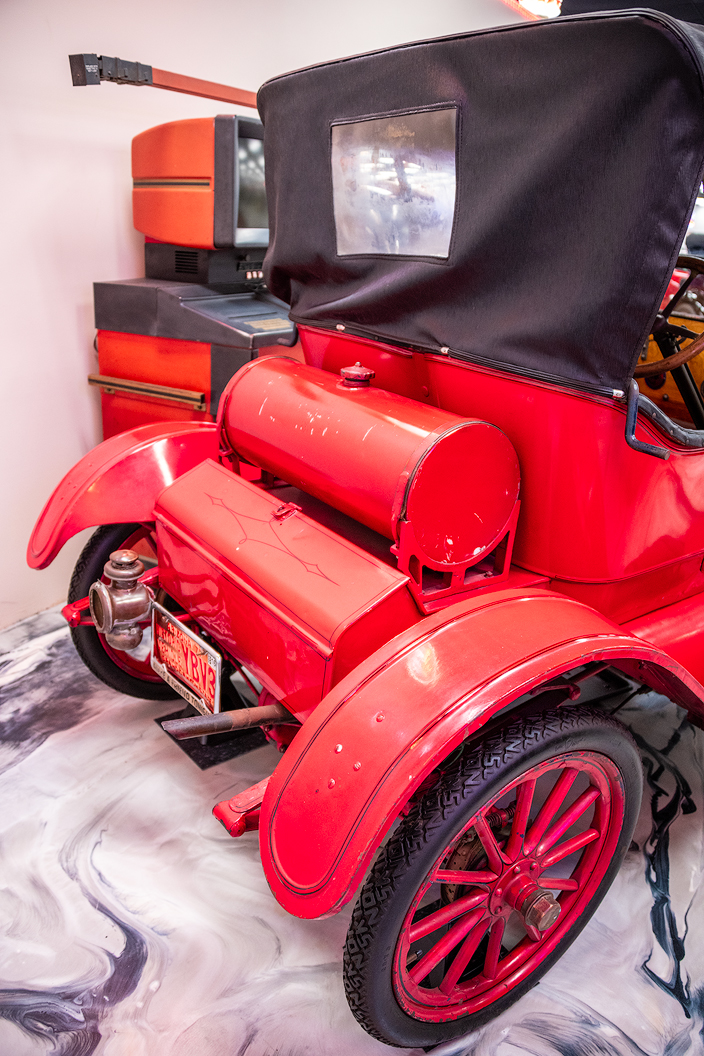
1910 Maxwell Model AA Runabout
Although the company's cars are seldom seen today, Maxwell was a significant manufacturer of the early 20th century and was the first quality-produced car to use a drive shaft instead of chains. The twin-cylinder Maxwell runabouts were popular due to their competitive price tag and durable engines.
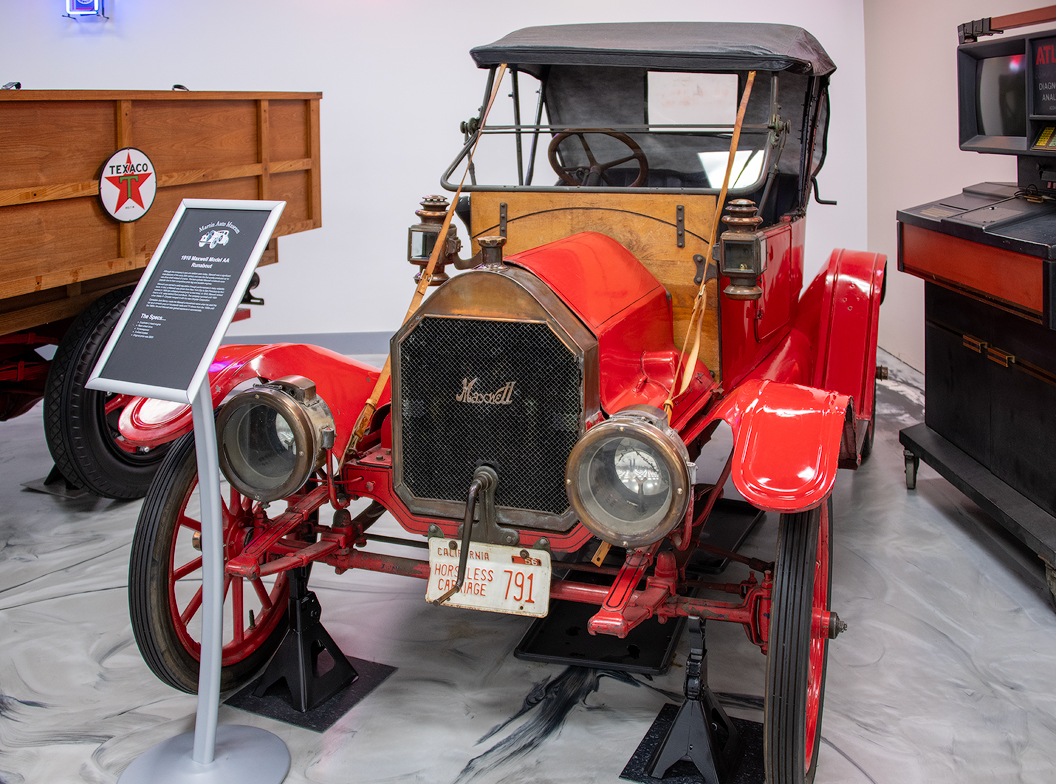
Maxwell cars earned a solid reputation through performances in many reliability tours. In fact, a Maxwell was driven from New York City to San Francisco by four women in 1909 (an unheard-of event prior to that time). In 1910, Maxwell ranked third in U.S. sales behind Ford and Buick. The company survived until 1924 when Walter P. Chrysler merged it with his new Chrysler Corporation.

Comedian Jack Benny made Maxwell a household name when he used the car as a comedic prop on his popular radio and TV shows from the1930s until
the 1960s. He and Maxwell also gained exposure in commercials.
The Specs...
- 2-cylinder L-head engine
- Rear-wheel drive
- 14 horsepower
- 2-wheel brakes
- Original price was $600
1930 International Six-Speed Special Truck
The International Six-Speed Special was a 1-ton truck built by the International Harvester Corporation between 1928 and 1930 in Springfield, Ohio. International had not had a 1-ton truck in its line since the "S" model of 1926. This gap was filled in 1928 with the "Six-Speed Special". The new truck was like the 3⁄4-ton Special Delivery, but it had a bigger frame and larger tires.

The most notable feature of the Six-Speed Special was the Eaton 2-speed rear axle which, when combined with the 3-speed transmission, gave a total of 6 forward gears and 2 in reverse. The Six-Speed Special was an instant hit and more than 14,000 trucks were built the first year, accounting for about 40 percent of International's total production for the year. The Six-Speed Special was moved by the underpowered but economical Waukesha XA L-head 4-cylinder engine. It had a top speed of 35 miles per hour.
The Specs
- 173 cubic-inch inline 4-cylinder engine
- 30 horsepower
- 3-speed manual transmission
- 124-inch wheelbase-inch wheelbase
- Price new was $820
- Custom bed with double bench seats for parades
- Radiator cap temperature gauge

1928 Chevy Depot Hack Woody
The Depot Hack was a direct descendant of horse-drawn express wagons used primarily for transporting passengers and goods from railroad terminals. Basically, the taxi of its day, the design would evolve into the station wagon. Depot Hacks, like this one, were essential to people in this period since many relied on public transportation. Personal automobiles were still luxury purchases used mostly for special occasions.
The depot Hack — and later the station wagon — received its name because many
of these large vehicles were purchased by railroad stations that used them to take passengers from the depot to their hotel.

The wood-bodied depot hacks were the earliest "woodys" and were on the road
long before Ford and other car builders began producing their popular woody style vehicles for the average buyer.
Today's SUVs are considered the next generation of depot hacks and station wagons.
TheSpecs...
- 171 cubic-inch inline 4-cylinder engine (last year for the 4-cylinder engine)
- 35 horsepower
- 3-speed manual transmission
- Mechanical brakes
- 21-inch steel disc wheels
- Electrical system converted to 12 Volt
- 106.5" wheelbase
